
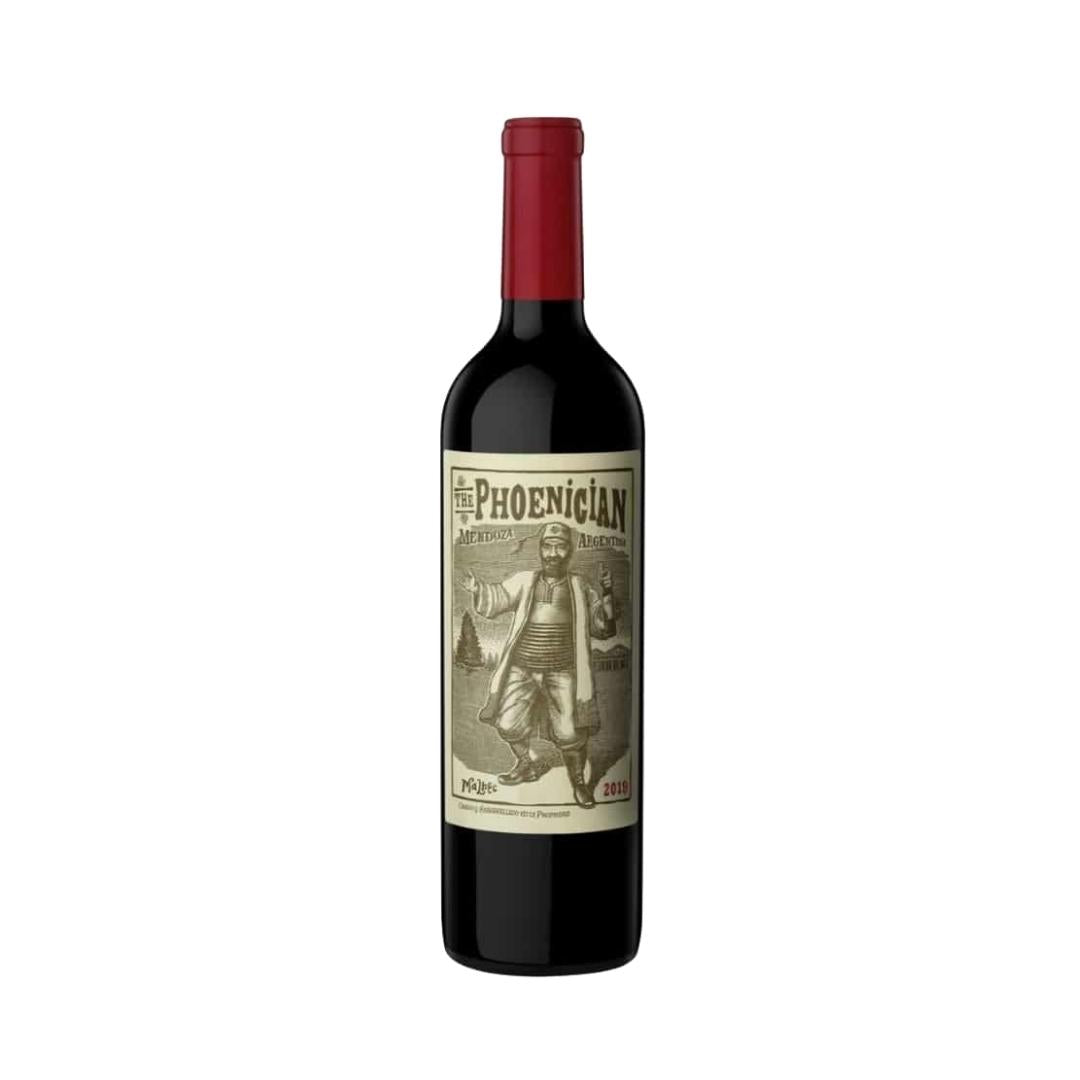
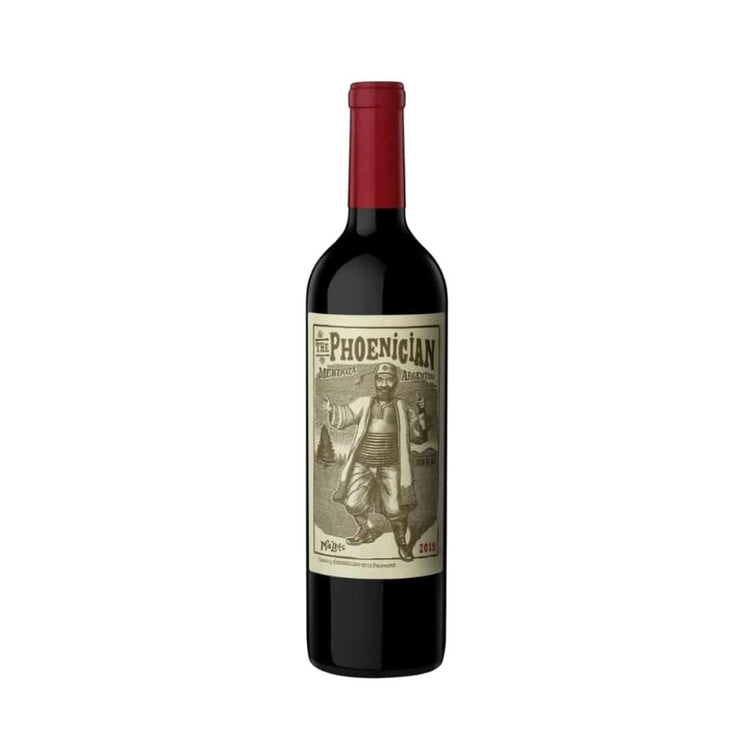
Altocedro The Phoenician Malbec 2021 750ml
- Regular price
- $45.00
- Sale price
- $45.00
- Regular price
-
$0.00 - Unit price
- per
Description
Description
Additional information
Additional information
SKU: CWS12652
Country: Argentina
Varietal: Malbec
Region: Mendoza
Alcohol Percentage: 14.2
Vintage: 2021
Category:
Altocedro The Phoenician Malbec 2021 750ml
- Regular price
- $45.00
- Sale price
- $45.00
- Regular price
-
$0.00 - Unit price
- per

Delivery Options
Choose from a range of options depending on how quickly you would like your order.
Delivery Options
×
![Popup Image]()
*Product images on our website may not match bottle labels exactly in some cases due to updates from the manufacturer.
